Wrenze Steel designs tensile fabric structures, membrane roofs, tensile shades and cable structures for contractors, fabricators, architects and developers in Dubai, across the UAE and in the GCC. A tensile structure works with the membrane and the cables in tension and the steel in compression and bending, so the fabric, the cables and the steel have to be designed together, from the form finding to the anchorages.
Tensile structures we design
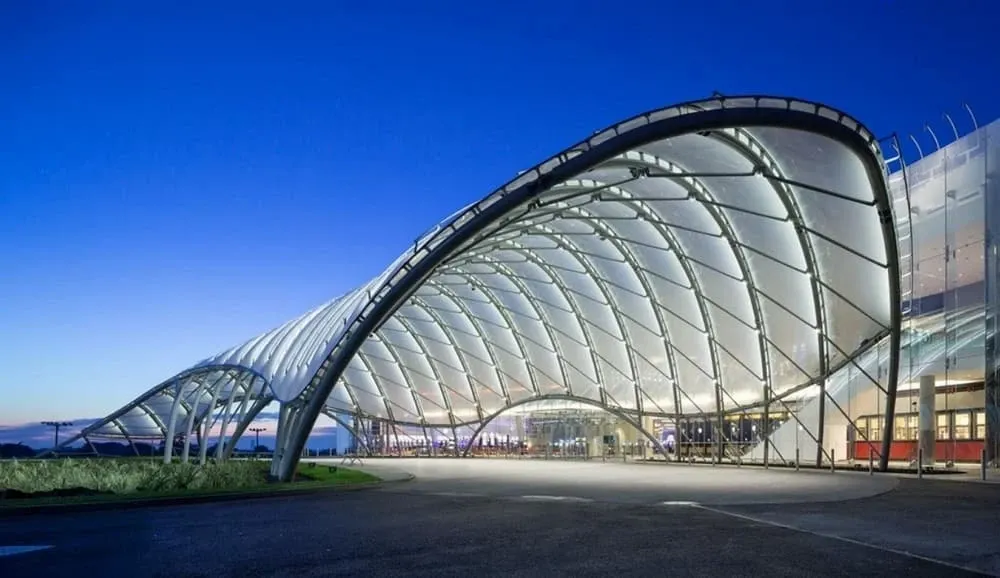
- Tensile membrane roofs: PTFE and PVC fabric roofs over entrances, courtyards, stadium stands and walkways
- Tensile shades and shade structures: tensile shade sails, canopies and outdoor shading for schools, parks and public spaces
- Tensile car parking shades: single and multi-bay car parking shade structures with HDPE or PVC fabric
- Cable structures: cable-stayed footbridges, cable nets, cable-braced roofs and their anchorages
- ETFE roofs: transparent cushion and single-layer roofs on steel frames
- The supporting steel: masts, arches, ring beams, frames and foundations for every type above
What tensile structure design covers
- Form finding. The membrane shape that balances the pretension, with enough curvature to resist wind and avoid ponding.
- Membrane and cable analysis. Non-linear analysis of the fabric and cables under pretension, wind uplift and downward pressure, and other loads.
- Steel design. Masts, arches, frames and compression members designed for the large forces the pretensioned fabric and cables apply.
- Connections and edges. Edge cables, clamping plates, corner plates and mast heads, detailed so the forces pass cleanly into the steel.
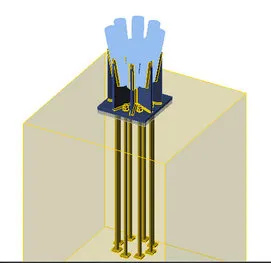
- Anchorages and foundations. Cable and mast anchorages into concrete, often in tension and at an angle, and the base plates and foundations below them.
Membrane materials
- PTFE-coated glass fibre: long life and self-cleaning, for permanent roofs
- PVC-coated polyester with a PVDF topcoat: flexible and economical, for canopies and shades
- HDPE shade cloth: breathable shading for car parks and outdoor areas
- ETFE foil: light and transparent, for skylights and atrium roofs
Codes and standards
We design to the project specification, typically with ASCE/SEI 55 for tensile membrane structures, ASCE/SEI 19 or EN 1993-1-11 for cables, and AISC 360 or Eurocode 3 for the supporting steel, with wind loads for the site. The membrane, cables and steel are analysed together in one non-linear model, so the forces used in the steel design come from the real tensioned shape.
Tensile and cable projects
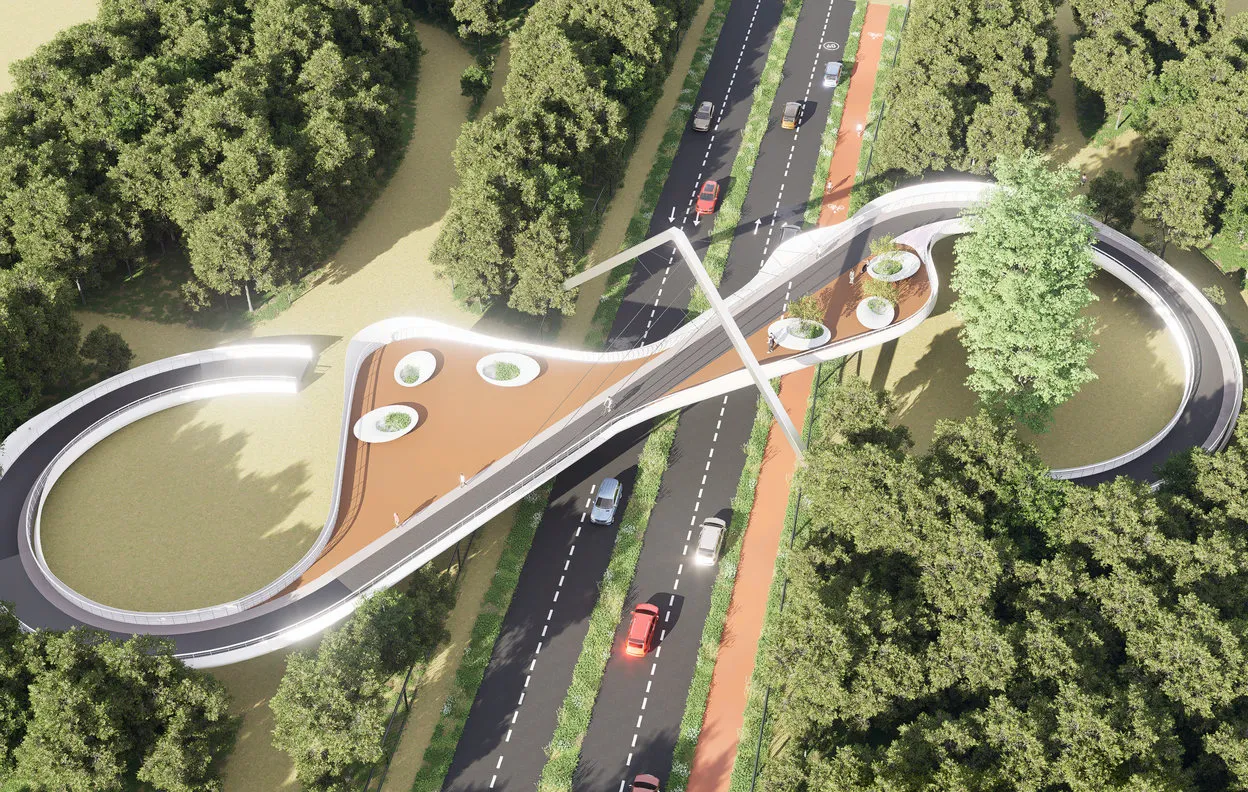
On the Mushrif Park cable-stayed bridge in Dubai, Wrenze Steel provided full consultancy for Dubai Municipality: a curved steel deck carried by stay cables from a single inclined mast. At Expo 2020, we designed the cable anchorage connections for the Brazil Pavilion, where steel base plates carry the cable fittings into concrete plinths. We have also designed fabric canopies and shade structures in Al Ain, including the analysis of the fabric under load.
Related services
Tensile structures connect to several of our services: structural steel design for the masts, arches and frames, steel connection design for mast heads, base plates and cable anchorages, and shop drawings and detailing for fabrication. For car parking shades and solar car parks, see our canopies and solar sector.
Contact our engineers
For tensile fabric structure and cable structure design, contact our engineers.